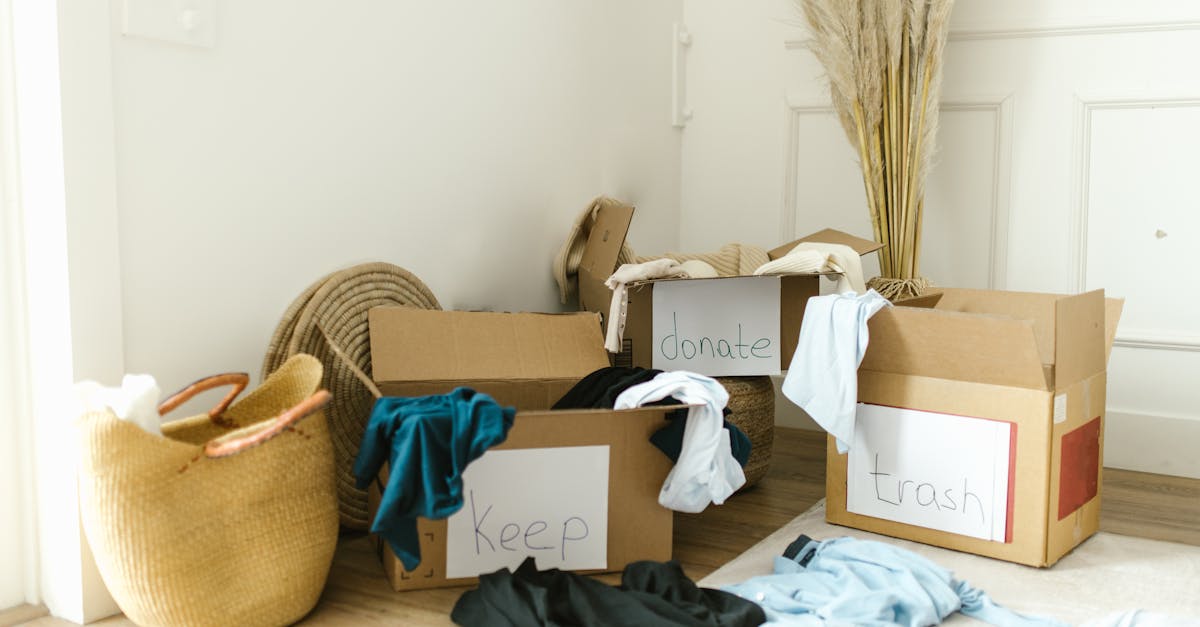
Why Most People Fail at Decluttering (And What Actually Works to Keep Your Home Tidy)
Have you ever spent an entire weekend decluttering, only to find your home slowly devolving back into its cluttered state just weeks or months later? You’re not alone. I’ve been there, staring at a neatly organized shelf on Monday, only to see it completely overrun by Friday. It’s frustrating, demotivating, and can make you feel like you’re fighting a losing battle against your own possessions. The common advice – “just get rid of things” or “donate what you don’t need” – often misses the fundamental psychological and practical barriers that prevent most people from achieving lasting tidiness. It’s not about a lack of effort; it’s about a lack of the right strategy.
Most decluttering methods focus solely on the removal of items. While essential, this only addresses half the problem. The real challenge lies in understanding why items accumulate in the first place, and more importantly, establishing systems that prevent future clutter build-up. Without addressing the underlying habits and decision-making processes, any decluttering effort becomes a temporary fix, like patching a leaky roof without addressing the source of the leak. In my experience, the biggest mistake people make is treating decluttering as a one-off event rather than an ongoing lifestyle adjustment. What truly changed everything for me was shifting my focus from ‘getting rid of stuff’ to ‘curating my environment’ and understanding the true cost of excess.
Key Takeaways
- Lasting decluttering success requires understanding why items accumulate, not just removing them.
- The “one-touch rule” and a strict “one in, one out” policy are non-negotiable for preventing future clutter.
- Categorizing items by their purpose and placing them at their point of use reduces mental load and prevents accumulation.
- Regularly scheduling micro-decluttering sessions for 10-15 minutes is more effective than infrequent marathon sessions.
The Flaw in “Just Get Rid of It” Mentality: Why Our Brains Resist
The most common decluttering advice sounds so simple: “If you haven’t used it in a year, get rid of it.” Or, “Does it spark joy?” While well-intentioned, these directives often fail because they go against fundamental human psychology, specifically our inherent aversion to loss and the emotional attachment we have to possessions. Our brains are wired to avoid perceived loss, even if that loss is merely a potential future use for an item we haven’t touched in years. This phenomenon is known as the endowment effect – we value something more highly simply because we own it. This means the perceived value of your dusty bread maker, which you’ve used twice, is significantly higher in your mind than its actual market value or utility.
Furthermore, the cognitive load involved in making dozens, if not hundreds, of decisions about individual items is immense. Each item represents a mini-decision point: Should I keep it? Will I need it later? Is it worth anything? Did someone give it to me? This decision fatigue quickly leads to burnout, making us throw in the towel or simply shift piles from one room to another. The mistake I see most often is people trying to tackle an entire room or category in one go, without a clear, repeatable decision framework. This often leads to paralysis or, worse, a massive donation pile that includes items we later regret giving away, reinforcing the fear of letting go. What actually works is acknowledging these psychological hurdles and building systems that minimize decision-making and leverage our natural tendencies.
The “One-Touch Rule” and “One In, One Out”: Your New Non-Negotiables
To combat the inevitable creep of clutter, you need two fundamental rules ingrained into your daily habits: the One-Touch Rule and the One In, One Out policy. These aren’t just suggestions; they are the bedrock of a consistently tidy home. The One-Touch Rule is simple yet profoundly effective: when you pick something up or bring it into your home, handle it only once. This means if you open mail, immediately sort it – either shred, file, or act on it. Don’t set it down to deal with later. If you take off your jacket, hang it up immediately, don’t toss it on a chair.
This rule significantly reduces the accumulation of temporary piles, which are the precursors to chronic clutter. In my own home, applying this to things like groceries meant putting them away the moment they came through the door, rather than leaving bags on the counter. It might sound trivial, but the cumulative effect of hundreds of these small, immediate actions is monumental. You eliminate the ‘limbo’ state for items, giving them a designated home from the outset. The “One In, One Out” rule applies specifically to new purchases. Before you buy a new shirt, book, or kitchen gadget, identify an existing item in that category to donate, sell, or discard. This creates a natural bottleneck, forcing you to consciously evaluate whether the new item truly adds value beyond what you already possess. This isn’t about deprivation; it’s about maintaining a curated collection of belongings that serve you, rather than you serving them. For example, when I bought a new coffee grinder, I immediately found a friend who could use my old, perfectly functional one. This prevents endless accumulation and keeps your inventory at a manageable level. This rule also makes you a more conscious consumer, often leading to fewer impulse purchases in the first place.
Organize by Purpose, Not Just Category: The Point-of-Use Principle
Many decluttering guides tell you to group like items together: all books in one place, all kitchen utensils in one drawer. While logical, this often overlooks a crucial aspect: purpose and point of use. Clutter often occurs when items aren’t stored where they are used, forcing them to migrate and create temporary homes on counters, tables, and floors. For instance, if you regularly pay bills at your kitchen table, having your stapler, stamps, and envelopes stored in an office room upstairs means those items will inevitably end up residing semi-permanently on your kitchen counter.
Instead, think about the activity you perform and group the necessary tools together, stored as close as possible to where that activity occurs. For example, my “morning routine” basket near my coffee maker contains my vitamins, a pen for my planner, and a small notebook – all the things I need right there, rather than scattered across different rooms. Another example: a small basket by the door for keys, wallet, and sunglasses prevents the “where are my keys?” scramble and the resulting countertop mess. This strategy is about minimizing friction and mental effort. When items are where you need them, when you need them, they are more likely to be put back in their designated spot because it’s the path of least resistance. This reduces the mental load of remembering where something belongs and ensures your spaces support your daily life, rather than creating obstacles.
The Power of Micro-Decluttering: 10 Minutes a Day Trumps Weekend Marathons
One of the biggest pitfalls of decluttering is the ‘all or nothing’ approach. People wait until their home is overwhelmed, then dedicate an entire weekend to an exhausting, demoralizing marathon session. This is unsustainable and often leads to burnout and a quick reversion to old habits. What actually works, and what changed everything for me, is the power of micro-decluttering – dedicating 10-15 minutes daily to specific, small tasks.
Think of it like dental hygiene: you brush your teeth for a few minutes every day to prevent cavities, rather than waiting until you have a major issue and needing a root canal. Similarly, a daily 10-minute decluttering routine prevents significant clutter build-up. This could mean:
- Evening Reset: Before bed, spend 10 minutes resetting one main living area (e.g., clearing the kitchen counter, tidying the living room coffee table).
- Drawer/Shelf Focus: Pick one drawer or one shelf each day and quickly assess its contents, removing anything that doesn’t belong or is no longer needed.
- Mail & Paper: Process all incoming mail immediately, discarding junk and filing important documents.
- “Clutter Hotspot” Attack: Identify one area that tends to accumulate clutter quickly (e.g., entryway table, bathroom counter) and tackle it.
The beauty of this approach is its low barrier to entry. Ten minutes feels achievable even on the busiest days, and the consistent small victories build momentum and reinforce positive habits. It reframes decluttering from a dreaded chore to a manageable part of your daily rhythm. The compounding effect of these small actions vastly outperforms infrequent, large efforts. It’s about maintenance, not emergency clean-up.
Embracing the “Container Concept” (Wisely) and Limiting Future Influx
Containers are a double-edged sword in decluttering. They can be incredibly helpful for organizing existing items, giving everything a clear home. However, they can also become a trap, allowing us to neatly hide clutter rather than truly dealing with it. The key is to use containers wisely and as a final step after significant decluttering, not as a shortcut. Before buying any container, ensure you’ve already purged items and know exactly what you’re storing and where. The most common mistake is buying containers first, then trying to fit your excess stuff into them, which merely reorganizes clutter rather than eliminating it. For instance, if you have a drawer overflowing with pens, don’t buy a pen organizer until you’ve decided which 10-15 pens you actually need and will keep. Then, the organizer serves its true purpose.
Beyond organizing, the most effective long-term strategy is to proactively limit what enters your home in the first place. This means becoming a more conscious consumer. Before buying something new, ask yourself:
- Do I truly need this, or merely want it? (Be brutally honest.)
- Do I already own something that serves the same purpose?
- Where will this item live? (If you can’t immediately identify a dedicated spot, reconsider the purchase.)
- What is the true cost? (Beyond the monetary price, consider the space it will occupy, the mental energy to manage it, and its environmental impact.)
This isn’t about asceticism; it’s about intentional living. Every item you bring into your home demands a piece of your attention, space, and time. By being more discerning at the point of entry, you prevent the problem from ever starting. This shift in mindset from impulsive acquisition to thoughtful curation is perhaps the most powerful tool in maintaining a permanently tidy and functional home. For me, this meant unsubscribing from most retail newsletters and consciously avoiding browsing online stores unless I had a specific item to purchase. The less exposure to potential new things, the less temptation to bring them into my carefully curated space.
Frequently Asked Questions
Q: I feel overwhelmed and don’t know where to start. What’s the very first step?
A: Start incredibly small. Don’t tackle a room. Pick one single, manageable category of items that you don’t have a strong emotional attachment to, like expired food in your pantry, old magazines, or unused pens. Dedicate just 15 minutes. The goal is a quick win to build momentum and prove to yourself that you can do it without feeling overwhelmed. Consistent small wins are far more powerful than sporadic, massive efforts.
Q: How do I deal with sentimental items without feeling guilty?
A: Sentimental items are the hardest. For these, I recommend a different approach: designate a specific “memory box” or container. Limit yourself to what fits in that container. Photograph items that are difficult to part with but don’t need to be physically kept. Give yourself permission to let go of the physical object while retaining the memory. Remember, the memory lives in you, not in the object itself. You can also reframe: are you honoring the item by letting it sit in a dusty box, or would it serve a greater purpose by being passed on to someone who could use and cherish it now?
Q: I’m worried I’ll get rid of something I’ll regret later. How do I overcome this fear?
A: This is a common and valid concern. To mitigate it, when you’re unsure about an item, place it in a “maybe” box and store it out of sight for 3-6 months. If you don’t remember it, need it, or go looking for it during that time, you can confidently let it go. In my experience, very few items from the “maybe” box ever make a comeback. Also, acknowledge that the occasional regret is a small price to pay for a consistently tidy and functional home; the relief of less clutter usually far outweighs the rare instance of needing something you donated.
Q: My family members are not on board with decluttering. How can I get them involved?
A: Lead by example, and focus on your own spaces first. When others see the positive impact on your well-being and the ease of navigating shared spaces, they may become more open. Avoid lecturing or forcing them; instead, suggest small, shared projects that benefit everyone, like clearing a common area or organizing a pantry. Frame it in terms of benefits: “Wouldn’t it be nice if we could always find the remote?” rather than “You have too much stuff.” Setting clear boundaries for shared spaces and personal items can also help, such as designating one shelf per person in a shared bathroom.
Q: How do I stop new clutter from accumulating after I’ve decluttered?
A: This is where the One-Touch Rule and One In, One Out policies become crucial. Make it a non-negotiable habit to immediately put things away and to assess if you need to discard an existing item before bringing a new one into your home. Regularly schedule those 10-15 minute micro-decluttering sessions. The goal is to embed these habits so deeply that they become automatic, preventing the slow creep of new items before they have a chance to take root.
Achieving a truly tidy home isn’t about perfection; it’s about creating systems that support your lifestyle and minimize friction. It’s about being intentional with what you bring into your life and diligent about managing what you already have. By understanding the psychological hurdles, implementing the “One-Touch” and “One In, One Out” rules, organizing by purpose, and embracing micro-decluttering, you can move beyond temporary fixes and build a truly sustainable system for a clutter-free existence. Start today with one small area, and watch the positive ripple effect transform your home and your peace of mind.
Written by Mark R. Jensen
Personal Finance & Lifestyle
A retired educator who believes in the power of clear communication and lifelong learning.
You Might Also Like
Why Most People Can't Find Their Purpose (And The One Question That Changes Everything)
Stuck feeling unfulfilled? Discover why traditional purpose-finding advice fails and the single, counter-intuitive question that reveals your true calling.
Why Most People Can't Find Time for Hobbies (And The One Mindset Shift That Changes Everything)
Discover why hobbies often fall by the wayside and learn the mindset shift that allows you to consistently make time for joy and personal growth.
Home Organization Tips That Actually Work
Getting organized isn't about buying more storage bins — it's about owning less and creating systems that run on autopilot.